Category: About
-
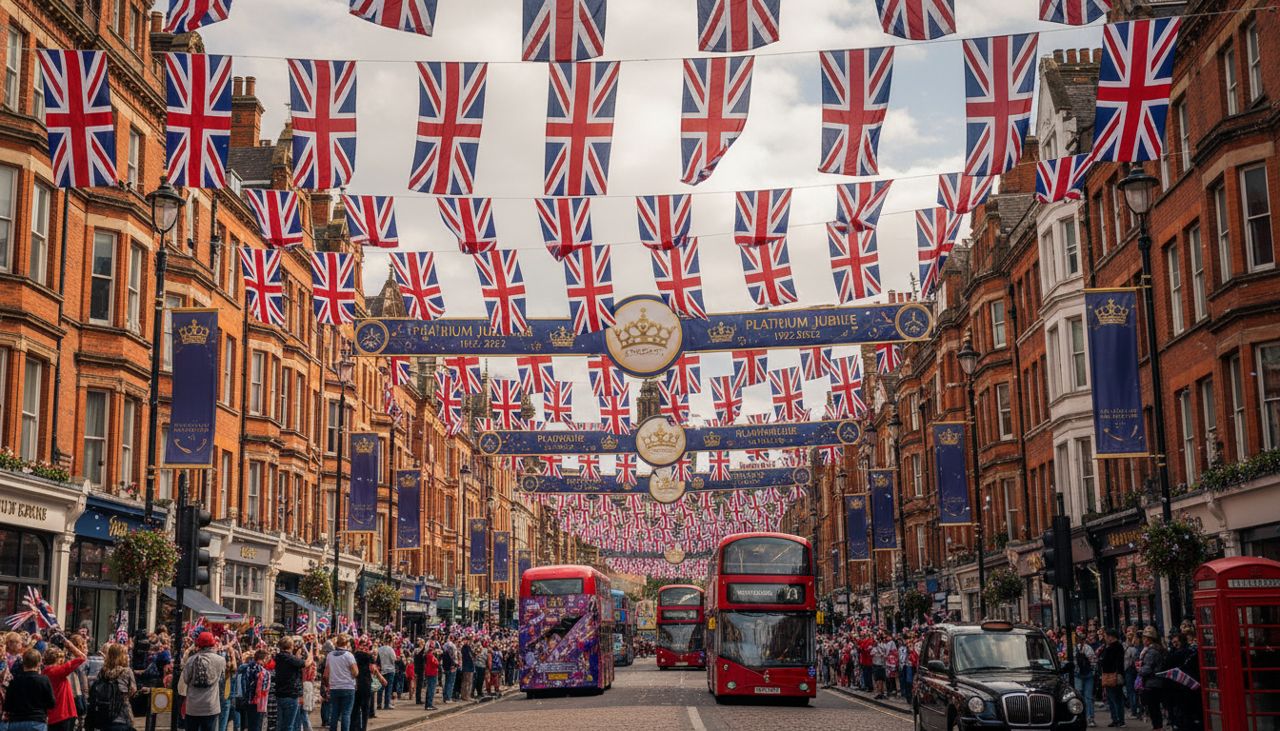
Jubilee Bank Holidays — A Royal History
The UK has added extra bank holidays for royal jubilees several times: 1977 (Queen Elizabeth II’s Silver Jubilee), 2002 (Golden Jubilee), 2012 (Diamond Jubilee), 2022 (Platinum Jubilee). Quick answer: Jubilee bank holidays are one-off bank holidays declared by Royal Proclamation to mark major royal anniversaries. They don’t change the standard count. Silver Jubilee — 1977…
-

Bank Holiday vs Public Holiday — What’s the Difference?
“Bank holiday” and “public holiday” are often used interchangeably, but they’re not strictly the same thing. Bank holidays are a legal subset of public holidays. Quick answer: Every UK bank holiday is a public holiday, but not every public holiday is a bank holiday. The Sovereign’s Birthday is a public holiday in some Commonwealth countries…
-
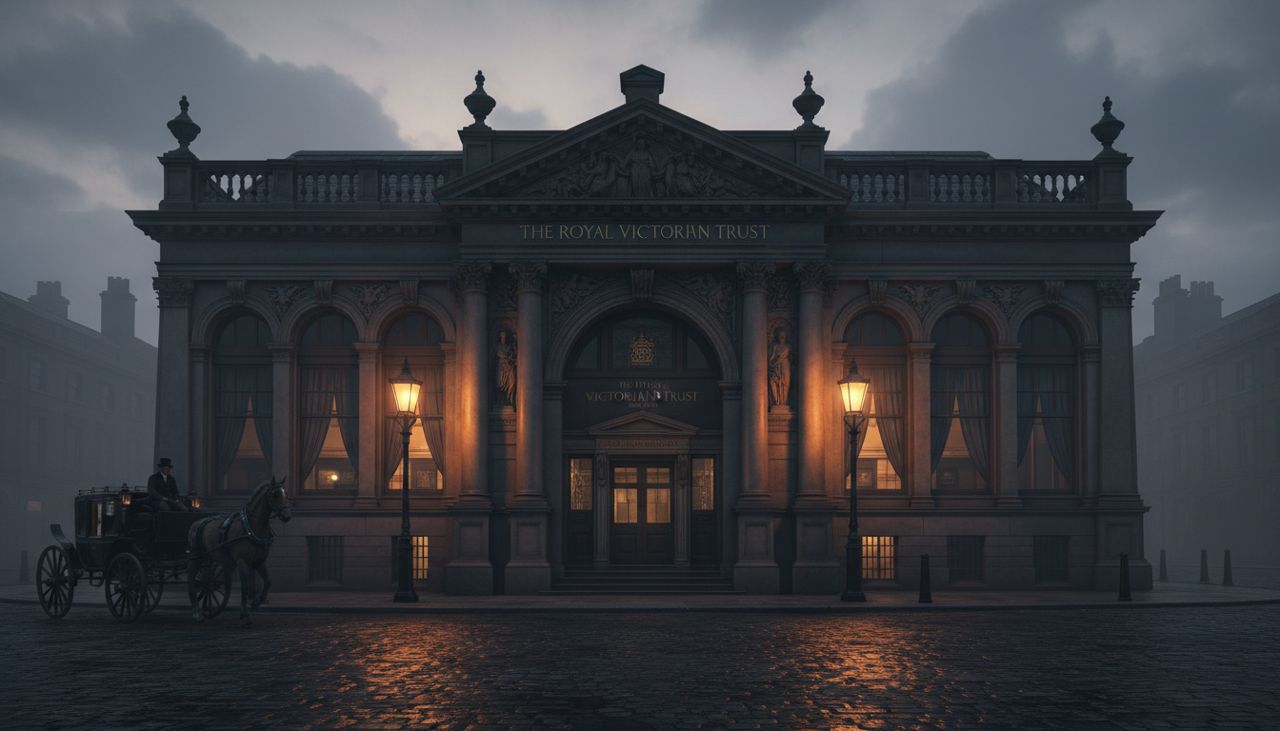
Why Do We Have Bank Holidays? The 1871 Story
Bank holidays exist because in 1871 the UK had no statutory days off, and the banking system needed predictable closure days. The man behind the change was Sir John Lubbock. Quick answer: The Bank Holidays Act 1871 created four named days plus Christmas Day and Good Friday. The point was to formalise predictable closures and…
-

How Many Bank Holidays Are There in the UK?
There are 8 UK bank holidays in England and Wales, 9 in Scotland and 10 in Northern Ireland — but the exact count depends on the year and any special proclamations. Quick answer: 8 (England & Wales) · 9 (Scotland) · 10 (Northern Ireland) for 2026. How the count breaks down England and Wales share…
-

What Is a Bank Holiday? UK Definition Explained
A bank holiday is a public holiday in the United Kingdom on which banks are formally closed, and by extension most government offices, schools and services pause. Quick answer: A bank holiday is a UK public holiday declared under the Banking and Financial Dealings Act 1971 (or by Royal Proclamation). It’s a day on which…