Also on Bank Holidays UK: Public Holidays in Egypt 2026 & 2027: Complete Guide for UK Travellers · Public Holidays in the UAE 2026 & 2027: Complete Guide for UK Travellers · Public Holidays in Austria 2026 & 2027: Complete Guide for UK Travellers
India is one of the most rewarding destinations for UK travellers, but its calendar of public holidays works very differently from the bank holidays we know at home. The world’s most populous country recognises just three national holidays, yet layers on top of them a rich patchwork of gazetted, restricted and state-specific holidays that can close offices, shift transport timetables and transform whole cities into a blaze of colour. If you are planning a trip in 2026 — whether it is a first visit to the Golden Triangle, a beach break in Goa or a journey to see family — knowing when these public holidays fall will help you avoid closures, anticipate crowds and, in some cases, deliberately time your visit to catch a once-a-year celebration.
Updated 30 September 2026: this guide now covers both 2026 and 2027 — jump to the 2027 public holiday calendar for India.
Public Holidays in India 2026 — Full List
The Government of India publishes an annual list of gazetted holidays that apply to central government offices nationwide. There are 17 gazetted public holidays in 2026, three of which are the country’s official national holidays. The table below sets out the full central list. Note that several Islamic festival dates depend on the sighting of the moon and may shift by a day.
| Date | Holiday (English) | Type | Day |
|---|---|---|---|
| 26 January | Republic Day | National | Monday |
| 4 March | Holi | Gazetted | Wednesday |
| 21 March | Id-ul-Fitr (Eid al-Fitr)* | Gazetted | Saturday |
| 26 March | Ram Navami | Gazetted | Thursday |
| 31 March | Mahavir Jayanti | Gazetted | Tuesday |
| 3 April | Good Friday | Gazetted | Friday |
| 1 May | Buddha Purnima | Gazetted | Friday |
| 27 May | Id-ul-Zuha / Bakrid (Eid al-Adha)* | Gazetted | Wednesday |
| 26 June | Muharram (Ashura)* | Gazetted | Friday |
| 15 August | Independence Day | National | Saturday |
| 26 August | Milad-un-Nabi (Prophet’s Birthday)* | Gazetted | Wednesday |
| 4 September | Janmashtami | Gazetted | Friday |
| 2 October | Gandhi Jayanti | National | Friday |
| 20 October | Dussehra (Vijaya Dashami) | Gazetted | Tuesday |
| 8 November | Diwali (Deepavali) | Gazetted | Sunday |
| 24 November | Guru Nanak Jayanti | Gazetted | Tuesday |
| 25 December | Christmas Day | Gazetted | Friday |
*Islamic holidays are determined by the lunar calendar and the local sighting of the moon; the actual observed date may differ by a day from the published gazette. Always reconfirm closer to the date.
Long Weekends in India 2026
Where the long weekends fall. Unlike the UK, India does not move a public holiday to the following Monday when it lands on a weekend — the holiday simply stays put. That makes mid-week holidays the ones to watch, as many Indians bridge them with a day of leave. For 2026, the dates that naturally create a three-day break for UK visitors travelling domestically are:
- Republic Day — Monday 26 January (Saturday–Monday, 24–26 Jan)
- Good Friday — Friday 3 April (Friday–Sunday, 3–5 Apr)
- Buddha Purnima — Friday 1 May (Friday–Sunday, 1–3 May)
- Janmashtami — Friday 4 September (Friday–Sunday, 4–6 Sep)
- Gandhi Jayanti — Friday 2 October (Friday–Sunday, 2–4 Oct)
- Christmas Day — Friday 25 December (Friday–Sunday, 25–27 Dec)
By contrast, Diwali (Sunday 8 November) and Independence Day (Saturday 15 August) both fall on the weekend in 2026, so they do not extend it. For comparison, the UK has eight bank holidays a year and routinely moves weekend ones to a substitute Monday — a convention India does not follow.
Public Holidays in India 2027 — Full List
Planning further ahead? Here is the full public holiday calendar for India in 2027 — the same holidays as the 2026 list above, with their 2027 dates. We cross-checked every date on 30 September 2026 against Department of Personnel and Training and two independent holiday calendars; a date only appears below where the sources agree.
India’s central government has gazetted 17 holidays for 2027. Six entries fall at the weekend (two of them on Sunday 15 August) and India does not give a day in lieu. The Prophet’s Birthday coincides with Independence Day on Sunday 15 August, so it adds no extra day off. Islamic dates are provisional and may shift by a day depending on the moon.
* Dates marked with an asterisk follow the lunar or religious calendar and are provisional until confirmed by the relevant authorities, usually only days ahead and subject to moon sighting. Check before you travel.
| Date | Holiday (English) | Type | Day |
|---|---|---|---|
| 26 January | Republic Day | National | Tuesday |
| 10 March* | Id-ul-Fitr (Eid al-Fitr)* | Gazetted | Wednesday |
| 23 March | Holi | Gazetted | Tuesday |
| 26 March | Good Friday | Gazetted | Friday |
| 15 April | Ram Navami | Gazetted | Thursday |
| 19 April | Mahavir Jayanti | Gazetted | Monday |
| 17 May* | Id-ul-Zuha / Bakrid (Eid al-Adha)* | Gazetted | Monday |
| 20 May | Buddha Purnima | Gazetted | Thursday |
| 16 June* | Muharram (Ashura)* | Gazetted | Wednesday |
| 15 August | Independence Day | National | Sunday |
| 15 August* | Milad-un-Nabi (Prophet’s Birthday)* | Gazetted | Sunday |
| 25 August | Janmashtami | Gazetted | Wednesday |
| 2 October | Gandhi Jayanti | National | Saturday |
| 9 October | Dussehra (Vijaya Dashami) | Gazetted | Saturday |
| 29 October | Diwali (Deepavali) | Gazetted | Friday |
| 14 November | Guru Nanak Jayanti | Gazetted | Sunday |
| 25 December | Christmas Day | Gazetted | Saturday |
Good to know for 2027
- Central government list: these dates apply to central government offices in Delhi; state governments and banks publish their own lists and some dates differ.
- Holi is gazetted for Tuesday 23 March, although many states celebrate Rangwali Holi on Monday 22 March.
- Mahavir Jayanti is gazetted for Monday 19 April, and some calendars give 18 April.
- Islamic holidays (Id-ul-Fitr, Id-ul-Zuha, Muharram and Milad-un-Nabi) may be revised by a day after moon sighting.
- Weekend holidays including Gandhi Jayanti, Dussehra, Guru Nanak Jayanti and Christmas Day are not moved to a weekday.
- Regional festivals such as Onam, Pongal and Durga Puja are state holidays and are not included here.
Long weekends in India in 2027
🗓️ The 2027 breaks worth booking early
- Republic Day: Sat 23 – Tue 26 January 2027 (4 days off, 1 day of leave)
- Holi: Sat 20 – Tue 23 March 2027 (4 days off, 1 day of leave)
- Good Friday: Fri 26 – Sun 28 March 2027 (3 days off, no leave needed)
- Ram Navami + Mahavir Jayanti: Thu 15 – Mon 19 April 2027 (5 days off, 1 day of leave)
- Id-ul-Zuha / Bakrid: Sat 15 – Mon 17 May 2027 (3 days off, no leave needed)
- Buddha Purnima: Thu 20 – Sun 23 May 2027 (4 days off, 1 day of leave)
- Diwali: Fri 29 – Sun 31 October 2027 (3 days off, no leave needed)
What’s Open and Closed on Public Holidays
On the major gazetted holidays — especially Republic Day, Independence Day, Gandhi Jayanti, Diwali and Holi — expect the rhythm of the country to change noticeably.
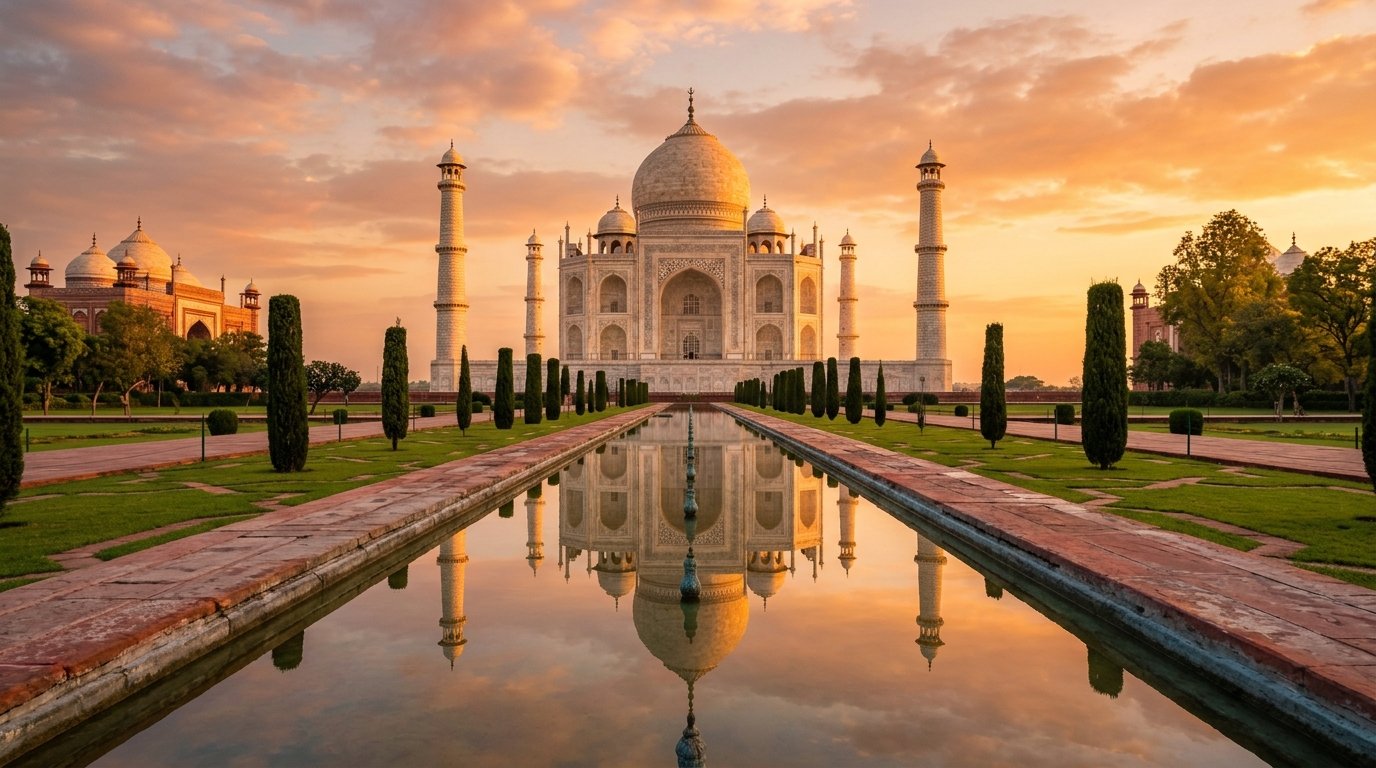
Banks and government offices close on gazetted holidays, and bank closures are governed separately by the Reserve Bank of India under the Negotiable Instruments Act, so they can vary by state. Shops, malls and markets in tourist areas generally stay open, and India’s culture of small independent retailers means you will rarely be stuck for essentials, though local bazaars may shut on the biggest festival days. Restaurants and hotels remain open and are often at their liveliest during festivals. Museums and historic monuments such as the Taj Mahal keep their own schedules — the Taj is closed every Friday year-round, which catches many visitors out — while some sites have free-entry or restricted days around national holidays. Public transport (trains, metros, domestic flights) runs on holidays but books up fast, and intercity trains around Diwali and Holi are among the busiest of the year.
Travel tip: Around Diwali (early November) and Holi (early March), book internal flights and train tickets several weeks ahead. Indian Railways’ popular routes sell out quickly, and domestic airfares climb sharply as millions of people travel home for the festivals.
How India Public Holidays Compare with UK Bank Holidays
The contrast in structure is striking. The UK runs on a small, fixed set of secular bank holidays; India layers a handful of national days over dozens of religious and regional observances.
| United Kingdom | India | |
|---|---|---|
| Official total | 8 bank holidays (England & Wales) | 3 national + 17 gazetted (central) |
| Weekend rule | Moved to substitute Monday | No substitute — stays on the day |
| Regional variation | Scotland & N. Ireland differ slightly | Heavy — each state sets its own list |
| Religious basis | Mostly secular + Christian | Hindu, Muslim, Sikh, Christian, Jain, Buddhist |
One practical consequence: an Indian holiday you read about may not actually be observed in the state you are visiting. A festival that closes everything in Mumbai might be an ordinary working day in Chennai. If you want the full picture of how the UK system works, see our guide to the list of UK bank holidays, and our overview of long weekends in 2026 for planning your own breaks.
Key Cultural Holidays Explained
Diwali (Deepavali), Sunday 8 November 2026. The festival of lights is the most important holiday in the Hindu calendar and the single best-known Indian celebration abroad. Homes, streets and temples are lit with oil lamps and fairy lights, families exchange sweets, and the night sky fills with fireworks. It marks the triumph of light over darkness and, in many traditions, the return of Lord Rama to Ayodhya. For travellers, Diwali is unforgettable but intense — cities are crowded, air quality in the north can suffer from fireworks, and accommodation is at a premium.
Holi, Wednesday 4 March 2026. The exuberant spring festival of colours sees people throw brightly coloured powder and water at one another in the streets. It is joyful and inclusive, though visitors should wear old clothes, protect cameras and phones, and be aware that the atmosphere can become boisterous.
Did you know? India recognises only three national holidays in law — Republic Day (26 January), Independence Day (15 August) and Gandhi Jayanti (2 October), the birthday of Mahatma Gandhi. Every other holiday, including Diwali and Holi, is technically a “gazetted” or “restricted” holiday rather than a national one, and the exact list a person enjoys depends on their state and employer.
Republic Day, Monday 26 January 2026. This commemorates the day India’s constitution came into force in 1950. The centrepiece is the spectacular parade along the Kartavya Path in New Delhi, with military displays, regional floats and a flypast — one of the most impressive state ceremonies travellers can witness anywhere.
Planning Your Trip Around Public Holidays
The cool, dry months from October to March are the classic window for UK visitors, and they happen to coincide with India’s festival season — Dussehra, Diwali and Republic Day all fall within it. Timing a trip to catch a festival can be the highlight of a lifetime, but it pays to plan around the practicalities. Aim to arrive a few days before a major holiday and settle into your accommodation before the rush; avoid attempting long overland or rail journeys on the festival day itself, when transport is heaving.
If your priority is sightseeing rather than celebration, consider travelling in the quieter weeks between the big festivals, when monuments are calmer and prices softer. Either way, book accommodation and any guided tours well in advance for the Diwali and Holi periods — hotels in Jaipur, Agra, Udaipur and Varanasi fill months ahead, and reputable experiences such as a sunrise Taj Mahal tour or a Delhi Republic Day viewing sell out early. Securing your hotels and key excursions before you fly removes most of the stress from travelling during India’s busiest weeks. Many UK itineraries reach India via a stopover hub, so it is worth checking the public holidays in Turkey too if you are routing through Istanbul.
FAQ
How many public holidays does India have in 2026?
What are India's three national holidays?
When is Diwali in 2026?
When is Holi in 2026?
Does India move public holidays to a Monday like the UK?
Will shops and attractions be open on Indian public holidays?
Do Islamic holiday dates ever change?
Sources & Last Verified
This guide cross-references the official Government of India gazetted holiday list with the python-holidays dataset and UK travel-press reporting. Islamic festival dates are subject to lunar confirmation.
- Government of India — List of Gazetted Holidays 2026 (Department / Ministry circulars)
- python-holidays library (India 2026 dataset) — date cross-check
- UK travel press — festival timing and traveller guidance
- Last verified: 17 June 2026
- Author: Bank Holidays UK Editorial Team